
The Pre-Peak Reality Check: Why a Scheduled Food Safety Review is Your Strongest Strategic Asset
Every November, food businesses across Australia shift into overdrive. Processing lines accelerate, seasonal staffing expands, ingredient orders multiply, and delivery deadlines tighten. It is also the period marked by Australian Food Safety Week 7–14 November 2026 - an annual reminder from the Food Safety Information Council that the line between a profitable season and an operational crisis comes down to daily control.
When throughput spikes, food safety cannot remain a static document in a binder. True compliance is an active operational discipline. Conducting an independent, scheduled food safety review before high-volume runs begin is the most reliable way to protect your brand, maintain retail partner confidence, and safeguard margins.
What a Comprehensive Review Entails
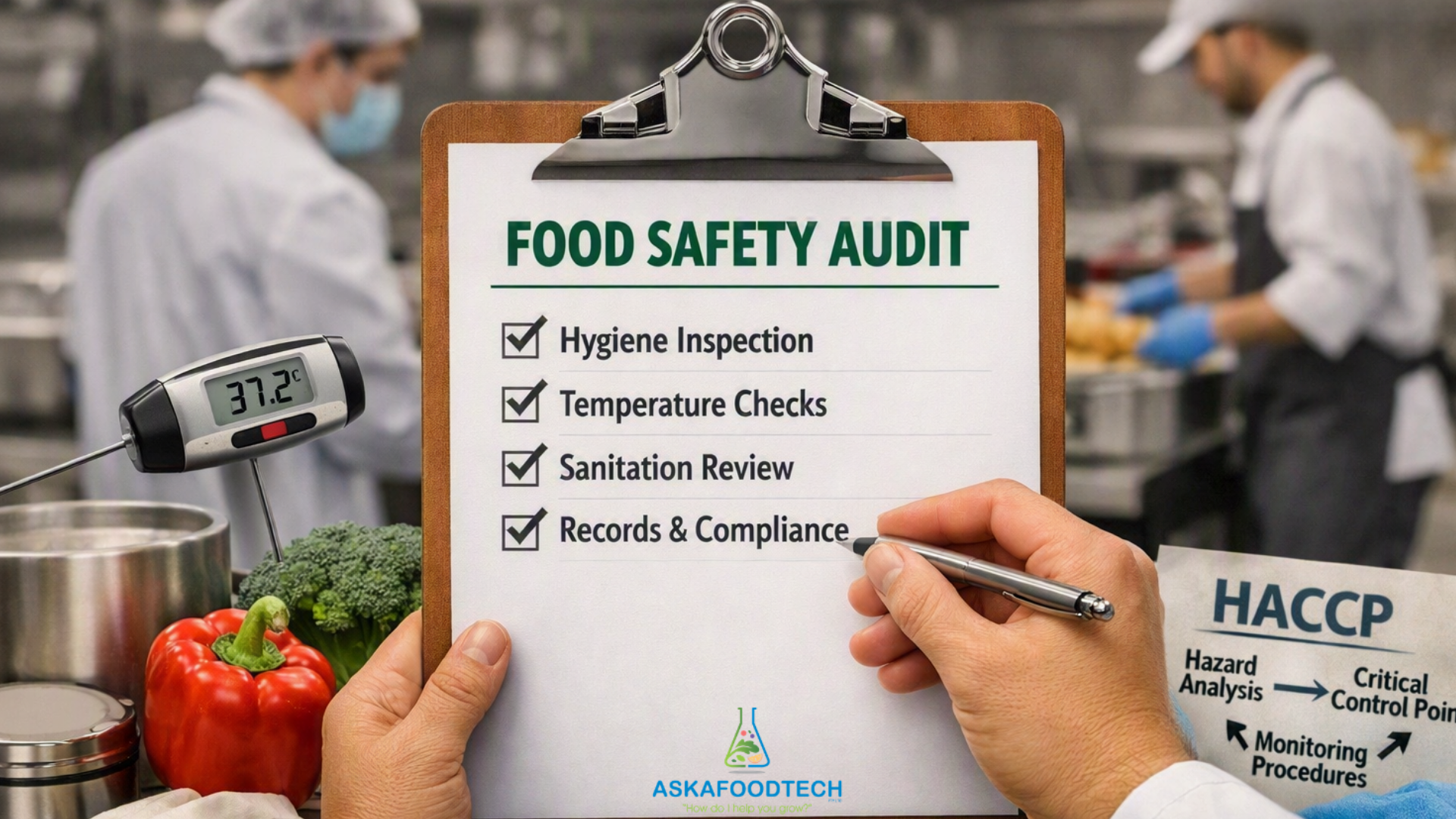
An effective technical review looks beyond routine surface checks. It evaluates the critical path of your product from incoming raw materials to cold-chain dispatch, focusing on four primary pillars:
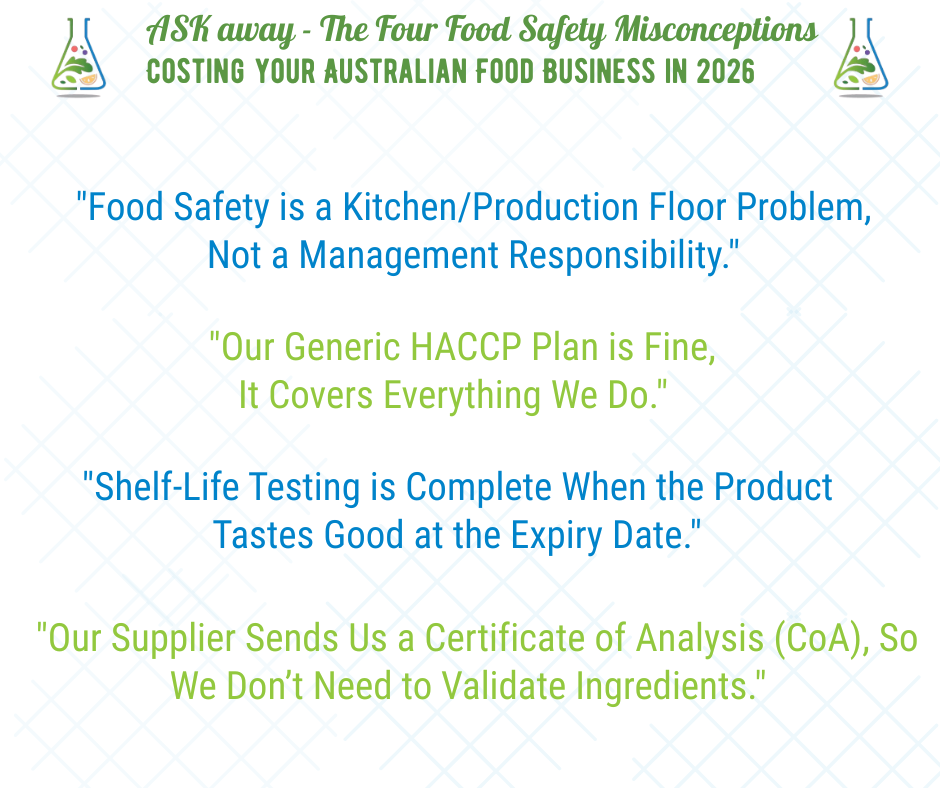
1. HACCP & Critical Control Point (CCP) Re-Validation
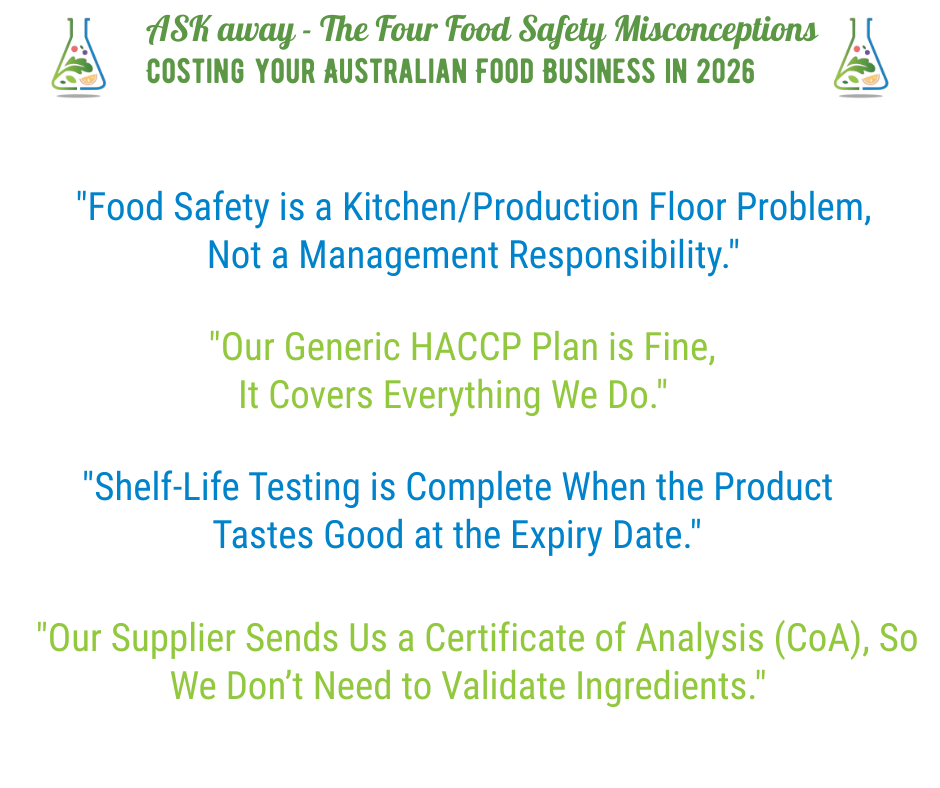
As line speeds increase and batch sizes grow, heating curves, chilling rates, and metal detection thresholds must hold their validated limits. A technical review verifies that CCPs consistently deliver required microbial reductions under real operating conditions, accounting for equipment wear and variable thermal loads.
2. Supply Chain & Raw Material Verification
Ingredient shortages and rising costs frequently require onboarding backup suppliers at short notice. A thorough review audits Certificate of Analysis (COA) reliability, checks raw material handling, and verifies that upstream changes do not introduce unmanaged microbiological or chemical risks.
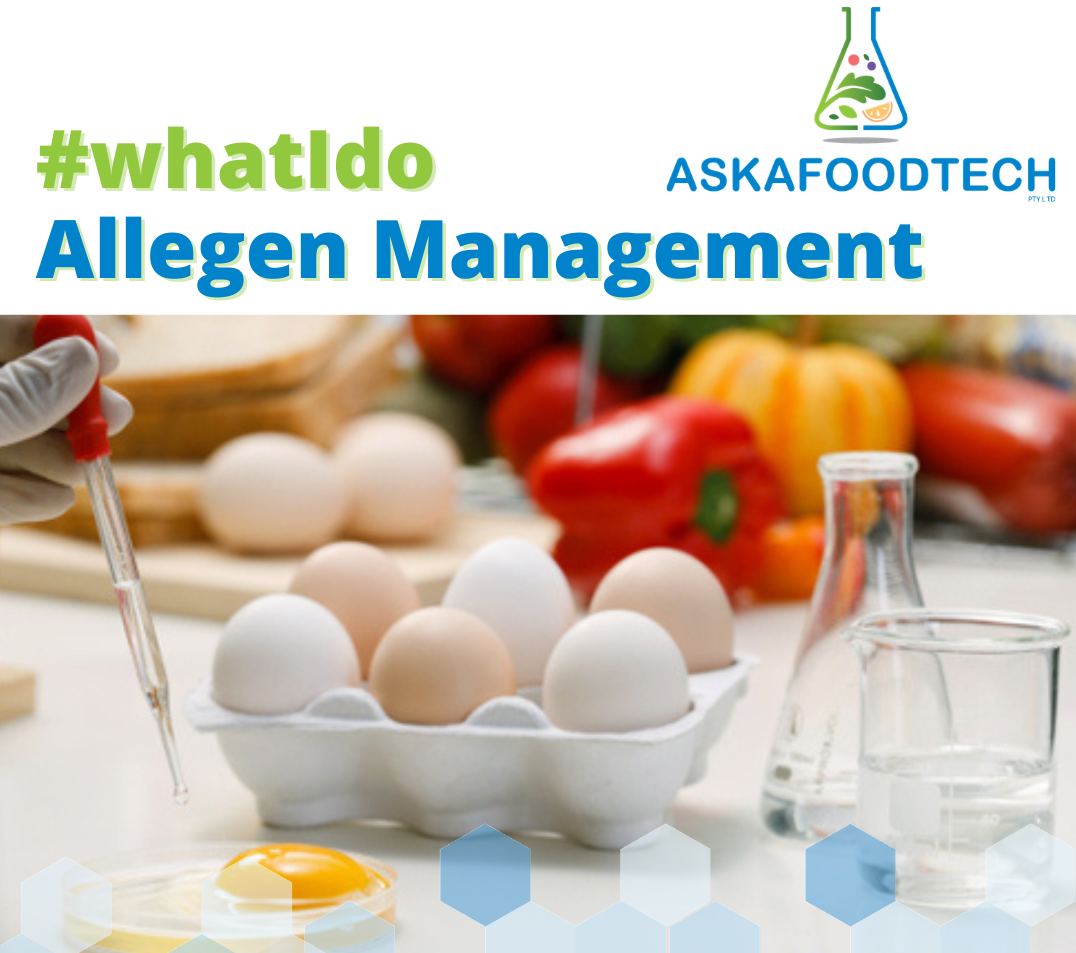
3. Allergen Flow & Plain English Allergen Labelling (PEAL)
Undeclared allergens remain the leading cause of food recalls in Australia, accounting for nearly half of all national recall events. A review inspects physical changeovers, validates clean-in-place (CIP) and dry-cleaning regimes with rapid swabbing, and ensures on-pack declarations strictly reflect current PEAL requirements without ambiguity.
4. Sanitation Chemistry & Environmental Monitoring
Clean processing lines require verified contact times, precise chemical titrations, and routine monitoring. Reviewing environmental swabbing data helps detect persistent harbourages- such as Listeria monocytogenes in cool, damp production zones - before pathogens compromise finished goods.
When to Review Your Systems
Relying solely on an annual third-party certification audit can create a false sense of security. Scheduled reviews should be structured around three clear operational benchmarks:
- Annually (The Baseline):
A scheduled re-validation of your food safety plan, pre-requisite programs, and standard operating procedures.
- Pre-Peak (6–8 Weeks Prior): A focused stress-test of equipment calibrations, seasonal staff training, and high-volume supplier capacity before lines reach peak capacity.
- Trigger-Based: An immediate review whenever you introduce a new allergen, change formulation, install new equipment, or switch raw material suppliers.
The Legal and Commercial Cost of Non-Compliance
Australian food businesses operate under the Food Standards Australia New Zealand (FSANZ) Food Standards Code, enforced locally by state and territory authorities alongside council environmental health officers. Failing to meet these standards carries clear consequences:
- Direct Financial Losses: Between reverse logistics, batch quarantine, laboratory testing, and retailer non-compliance fees, the average Australian food recall costs hundreds of thousands of dollars.
- Statutory Penalties: State Food Acts enforce substantial corporate penalties for producing or selling non-compliant food, alongside personal due-diligence liability for company directors and public listing on enforcement registers.
- Retail De-Listing: Major grocery retailers operate strict vendor assurance requirements. A single preventable safety breach or mislabelled allergen can prompt immediate ranging suspensions or total shelf removal.
Three Perspectives:
Why the Review Matters to Your Role
For the Food Company Leader (MD, CEO, Founder)
From an executive standpoint, food safety is a brand protection strategy and balance sheet safeguard. A single recall does not just waste inventory; it erodes buyer trust that took years to establish, jeopardises supermarket ranging, and introduces personal legal liability under Australian food legislation. Scheduling an independent pre-peak review validates your governance, secures retailer relationships, and ensures that company growth is protected against preventable risk.
For the Manufacturer
On the factory floor, a scheduled review provides practical support when operations are stretched. Between managing shift handovers, training temporary seasonal operators, and handling supplier variations, day-to-day operational drift is a constant challenge. An independent technical assessment validates CCP parameters, reviews allergen cleaning swab efficacy, and identifies hygiene blind spots before an external auditor or non-conformance flag turns into a line stoppage.
For the Startup or Small Producer (Emerging Brand & Artisan)
Transitioning from a pilot facility or commercial kitchen to commercial co-packers can make regulatory standards seem overwhelming. However, establishing strong food safety fundamentals early prevents costly setbacks. A structured review demystifies food science, confirms shelf-life stability, and verifies that mandatory statements and allergen panels comply with Australian standards before spending capital on packaging print runs.
Protect Your Brand Before the Rush
Reliable, shelf-stable food products do not happen by chance - they are built on consistent food science and disciplined process controls.
At ASKAFOODTECH, we bring over 20 years of practical industry expertise to help food businesses across Australia translate complex standards into manageable, factory -ready systems. Whether you are a business leader safeguarding company valuation, an operations manager stress-testing plant equipment, or an emerging brand preparing for market, our team provides practical guidance every step of the way.
Build confidence into your production schedule.
Book an independent food safety and compliance review.

About the Author:
Stewart Eddie (Bapp Sc Food Science & Technology) is Director and Principal Food Tech at ASKAFOODTECH PTY LTD; a food technology consulting company that inspires, educates, and serves food producers with an ambition to grow and manage risk. Living with a severe food allergy and being a food technologist, Stewart is uniquely placed to help your food manufacturing business with your allergen management planning. If you would like more information on the services that ASKAFOODTECH PTY LTD can provide, please
contact us.