
Decoding Australian Food Safety Trends and Protecting Your Brand
As an award-winning Australian food technology consultancy, ASKAFOODTECH believes in proactive compliance—not just reactive crisis management. The annual food recall statistics released by Food Standards Australia New Zealand (FSANZ) are more than just numbers; they are a critical roadmap for every food producer aiming for market success and consumer trust.
Our analysis of the latest decade of data reveals a clear and concerning trend: the average annual number of recalls is rising. This isn't necessarily a sign of a failing system—it often indicates better detection, increased regulatory oversight, and greater consumer vigilance—but it absolutely serves as a powerful reminder for businesses to strengthen their internal food safety and labelling systems.
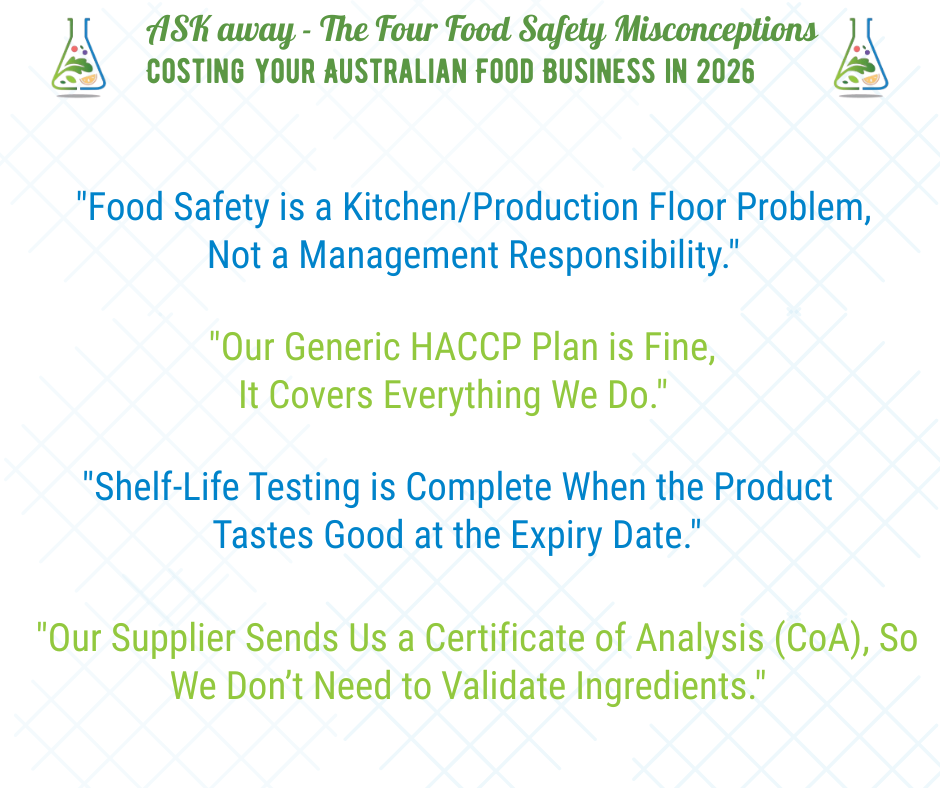
Top 4 Misconceptions and Their Ramifications:
Here is ASKAFOODTECH’s breakdown of the key recall trends from 2020–2024 and how your business can turn this data into actionable strategies.
1. The Undisputed Number One Cause: Undeclared Allergens
The most critical takeaway from the data is the continuing dominance of Undeclared Allergens, accounting for a staggering 48% of all recalls coordinated by FSANZ between 2020 and 2024. This isn't just a compliance issue; it’s a public health crisis risk.
Key Allergen Statistics (2020–2024):
- Nearly Half of All Recalls: Undeclared allergens are the single largest reason for removing products from shelves.
- Top 4 Culprits: The most common allergens involved in recalls were Milk, Tree nuts, Wheat/Gluten, and Eggs.
- High-Risk Categories: The food types most frequently associated with allergen recalls are Mixed and/or processed foods and Bread and bakery products—categories where cross-contamination or ingredient oversight is highly likely.
- Detection Method: The most common trigger for identifying an allergen issue? Customer complaint. This means the problem has already reached the consumer, causing potential illness and guaranteed brand damage.
ASKAFOODTECH's Guidance:
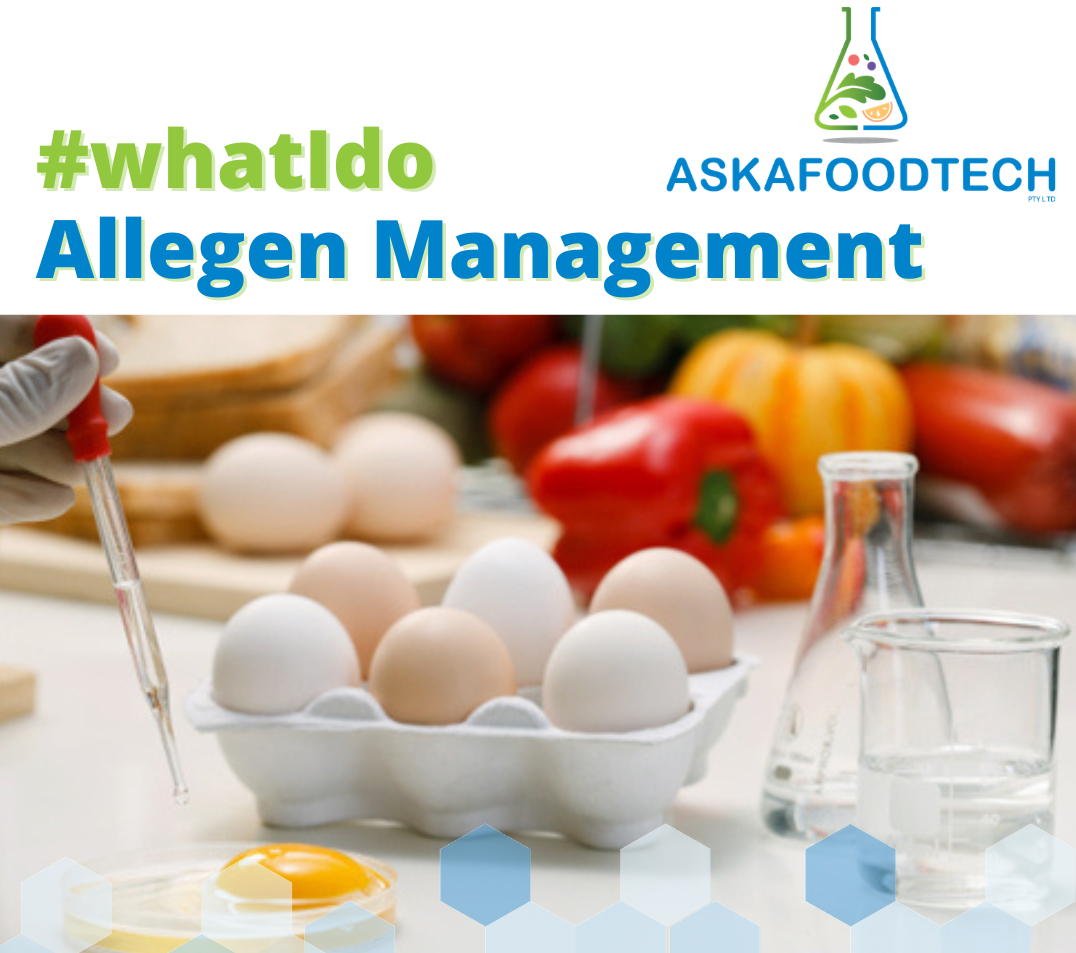
This highlights a failure point in internal process control. Allergen management must be a core pillar of your food safety plan. We specialise in implementing rigorous Plain English Allergen Labelling (PEAL) compliance, reviewing your entire ingredient supply chain, and designing robust, validated cleaning procedures to eliminate cross-contact risk. Waiting for a customer complaint is waiting for a disaster.
2. The Constant Threat: Microbial Contamination
The second leading cause of recalls, responsible for 20% of incidents from 2020–2024, is Microbial Contamination. These recalls involve the presence of harmful bacteria, viruses, or fungi that cause foodborne illness.
Key Microbial Threats (2020–2024):
- Listeria monocytogenes (31% of microbial recalls): A persistent and dangerous pathogen, especially for vulnerable populations.
- Salmonella spp. (23% of microbial recalls): A pervasive risk in a variety of foods, often linked to raw ingredients.
- Escherichia coli (E. coli) (12% of microbial recalls): A clear indicator of hygiene or processing failures.
ASKAFOODTECH's Guidance:
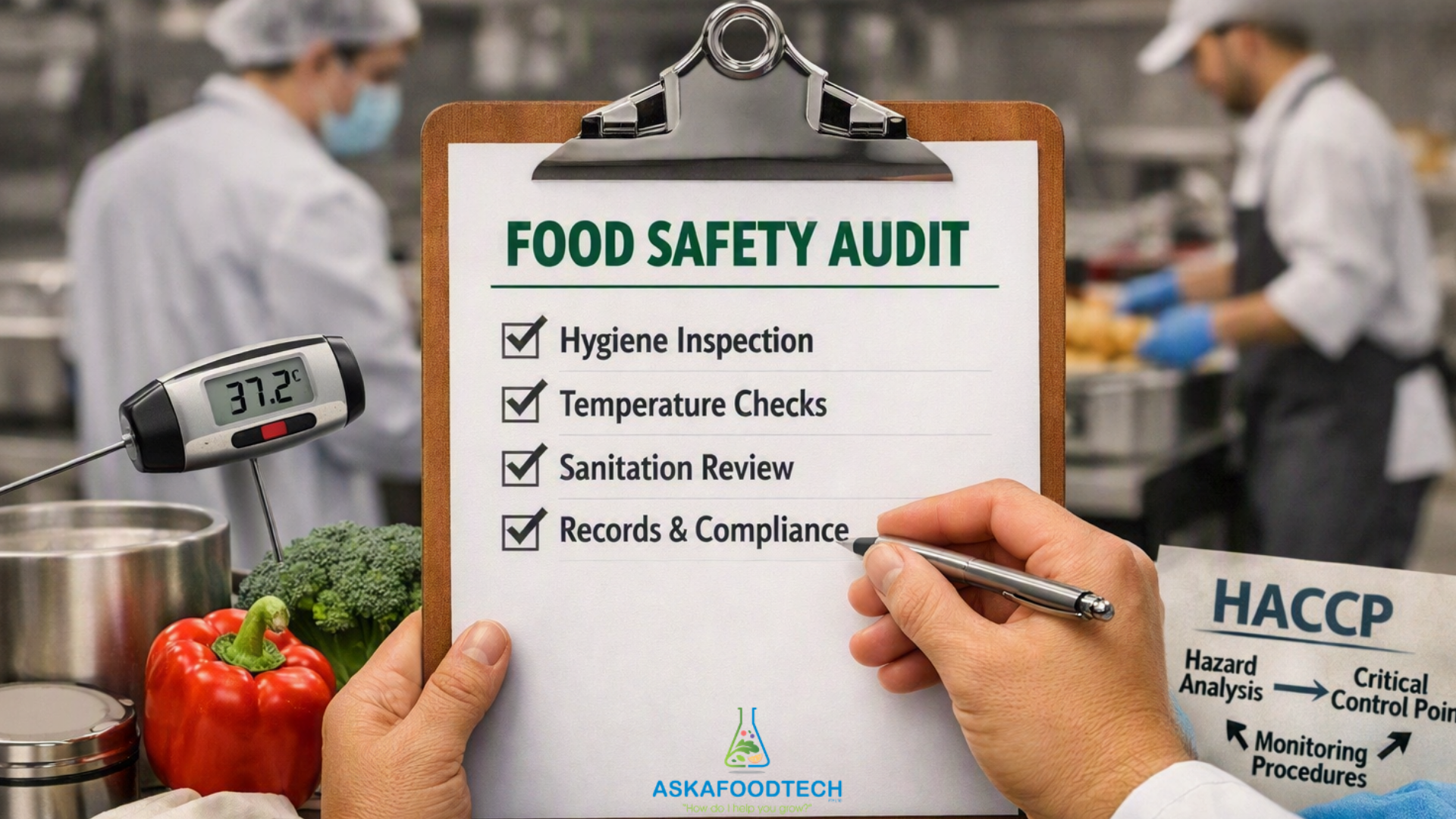
Microbial control is fundamental food safety. If your business is seeing a pattern of microbial alerts, it’s time to audit your HACCP plan. We focus on temperature control validation, environmental monitoring, sanitation procedures, and pathogen mapping to identify and eliminate high-risk zones in your production facility.
3. Other Significant Causes
While allergens and microbes dominate, other issues still contribute to a significant number of recalls:
- Foreign Matter: Plastic (40%), metal (25%), and rubber (13%) are the most common foreign materials, pointing to mechanical failures, poor material handling, or inadequate sieving and detection systems.
- Chemical Contamination: Recalls linked to Ethylene oxide and Thebaine demonstrate the necessity of meticulous supplier verification and control over raw material inputs and potential chemical cross-contamination.
4. Where Businesses are Taking Action
After a recall, businesses are required to report the corrective actions they take. The top three actions reported between 2020 and 2024 were:
- Staff training (18%)
- Amended handling procedures (14%)
- Altering product labels (13%)
Crucially, 83% of businesses reported taking more than one corrective action. This multi-faceted approach is exactly what is needed, focusing on people, process, and documentation.
Turn Statistics into Strategy
The Australian food recall data tells a story of systemic risks, primarily stemming from labelling errors and process control breakdowns. At ASKAFOODTECH, we translate this complex data into clear, actionable, and commercially sensible steps for your business.
Are you confident in your food safety systems? Let us help you move beyond compliance to true confidence.
for a comprehensive review of your Allergen Management Plan and Labelling Compliance strategy.
* Data Australian food recall statistics | Food Standards Australia New Zealand

About the Author:
Stewart Eddie (Bapp Sc Food Science & Technology) is Director and Principal Food Tech at ASKAFOODTECH PTY LTD; a food technology consulting company that inspires, educates, and serves food producers with an ambition to grow and manage risk. Living with a severe food allergy and being a food technologist, Stewart is uniquely placed to help your food manufacturing business with your allergen management planning. If you would like more information on the services that ASKAFOODTECH PTY LTD can provide, please
contact us.