Food technology consulting for

producers with ambition.

ASKAFOODTECH PTY LTD is an award-winning food technology consulting company providing specialist advice in food product development, quality systems & allergen management, and food labelling to food producers across Australia.

Book a Free Consultation

Food technology consulting for producers with ambition.

ASKAFOODTECH PTY LTD believes that integrity and quality of service are crucial in meeting the needs of our customers.

Book a free consultation Workshops and Events

About us


Helping Your Food Business Thrive with Expert Guidance from ASKAFOODTECH


At ASKAFOODTECH™, we take the guesswork out of food innovation. Whether you're developing a new product, navigating Australian food safety standards, or tackling complex labelling regulations, we’re here to help — with expert advice done right the first time.


Led by Stewart Eddie, a food technologist with over 20 years of hands-on experience, we understand the challenges food businesses face. From compliance headaches to allergen risks and confusing regulations, we simplify the process with practical, no-nonsense advice tailored to your business.


With extensive experience working with brands like Unilever / Weis, Nestlé, and the South Australian Research & Development Institute, Stewart brings proven expertise to guide you through product development, labelling, and food safety.

Why Choose ASKAFOODTECH for Your Food Business?


  • Food Product Development: From ingredient selection to recipe creation, we help bring your ideas to life and get them to market.
  • Food Labelling Consultant: Avoid costly mistakes with clear, compliant food labelling aligned with Australian, New Zealand, and global standards.
  • Food Safety Consulting Services: Protect your brand and your customers with expert guidance on quality systems, allergen management, and regulatory compliance.

Food innovation should be exciting, not stressful. With ASKAFOODTECH, you gain a trusted partner dedicated to helping your food business thrive in Australia’s competitive market.

What do we offer?


20+


years of relevant industry experience

5


global brands successfully mentored

5


specialties offered as a service

2


countries food standards code knowledge
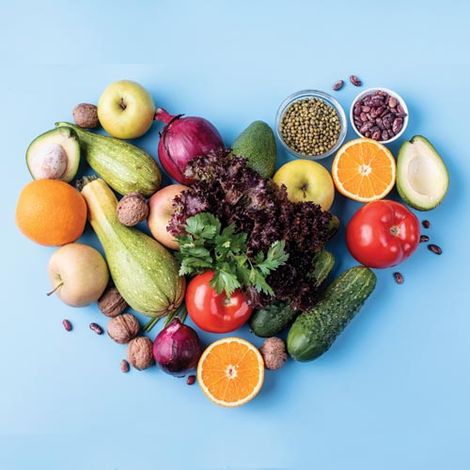
A heart made of fruits and vegetables on a blue background

Our Services


  • Product Innovation and Strategic Thinking

    Working with you to build confidence in your pipeline and strategy.


    • Pipeline Ideas
    • Strategic Sourcing
    • Capability Assessments
  • Product Development

    Co-creating with you tasty products and helping them get to market using practical approaches.


    • Ingredient Selection
    • Recipe Development
    • Sensory Evaluation


    Struggling to source that magic ingredient? With over 20 years of hands-on experience developing and industrialising new food products, Stewart is well placed to assist you. Why not #askafoodtech today how we can help you with your product development.

  • Mentoring

    Achieving business growth through your people.


    • Mentoring Key Staff
  • Allergen Management & Quality Systems Coaching

    Helping you to proactively protect your brand through a unique perspective on allergen management  and quality systems coaching involving:


    • Review of Allergen Management Plan
    • Review of Quality System
    • Raw Material Assessment Systems
    • Kosher Certification Prep
    • Halal Certification Prep

    Allergen Management:


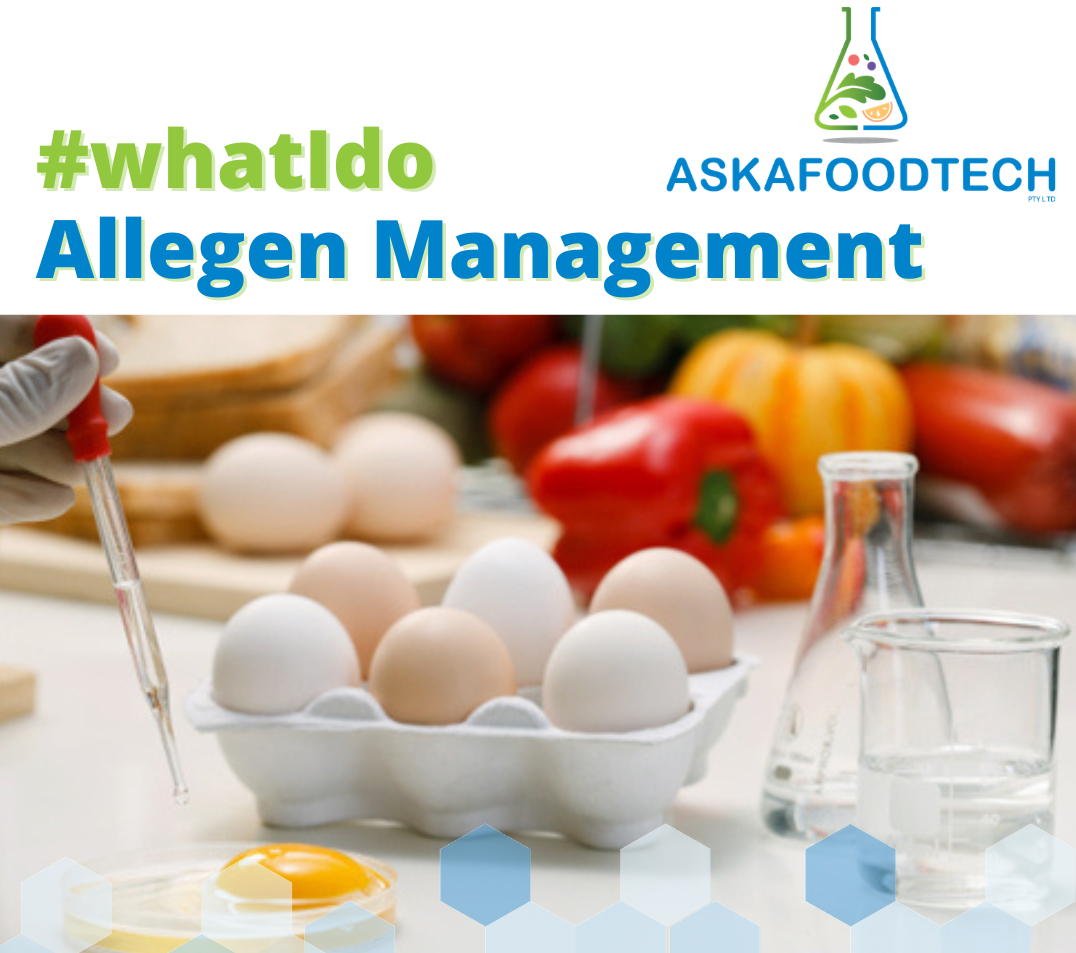
    A qualified food technologist and diagnosed with a severe food allergy in his late 30’s, Stewart is ideally placed to offer a unique perspective on allergen management in your facility. Stewart can blend both practical tips on practical allergen risk management with the sensitive consumers perspective. If you need a fresh perspective on your approach to allergen risk management why not #askafoodtech today.


    Quality Systems Coaching:


    Are your pre-requisite programs such as your Approved Supplier Program adequate? Being proactive with your quality system is a crucial step in maintaining your brand integrity. Sometimes a fresh set of eyes is needed to help build a stronger system. ASKAFOODTECH can help by reviewing your current Quality system with you, and providing practical advice on how to improve. Whether it’s your Approved Supplier Program, GMP or preparation for Halal and Kosher certification, why not #askafoodtech how they can help you today.

  • Food Labelling

    Ensuring your food labelling is accurate and up to date with the latest regulatory requirements.


    • Compliance Checks
    • Technical Data Preparation


    When it comes to preparing food labels, there are three governing regulation systems to comply with.


    To comply with the Australian Consumer Law, a food producer needs to ensure that all statements and images comply with the requirement that prohibits false, misleading and deceptive representations. The Australian Food Standards code sets out the labelling requirements of all food products sold in Australia & New Zealand. Many foods sold in Australia will also need to comply with net content declaration requirements as regulated by the National Measurement Institute.


    As a food producer it can be daunting knowing where to start. Need help with preparing or checking your food label, why not #askafoodtech how they can help you today.

Values Proposition


How does ASKAFOODTECH™ help you grow?

At ASKAFOODTECH™, we simplify food innovation with practical, no-nonsense advice that helps you launch products faster, safer, and with confidence.


Led by industry expert Stewart Eddie, we help you manage compliance, reduce risk, and unlock growth — turning food innovation from stressful to successful.
Learn More
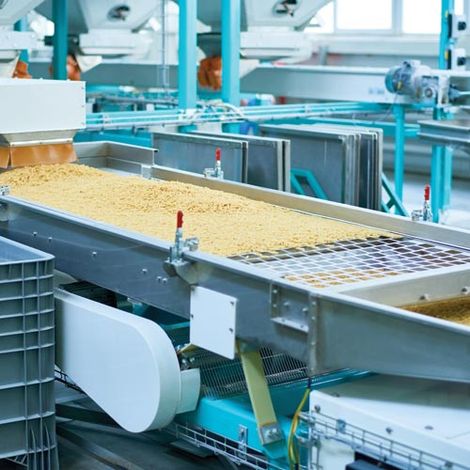
Food production line photo

What are people saying about us?


"I know Stewart 10 years ago through professional networking (AIFST). He is one of the very best Food Technologists in the industry, very knowledgeable, responsive and very kind. He is extremely passionate in assisting individuals and businesses to reach their highest potential. I highly recommend you to be in touch with him should you and your business need a push to grow. As my mentor, Stewart is helping me navigate through a career challenge, and it has been fantastic so far."


Van

"Very helpful and professional."


Matt

"Stewart & his team are incredible to work with. Stewart's knowledge and passion for his business is truly reflected within his work. I highly recommend Askafoodtech team!"


Allana

"I had the pleasure of Askafoodtech visiting my licenced domestic kitchen . Stewart is knowledgeable , personable and offered me a wealth of information. He was encouraging, professional and it was a rich time of gleaning information from an expert in all things food safety. I highly recommend spending time with Stewart, to keep up to date with the latest compliances and food laws."


Michelle

"Stewart is very generous in sharing his knowledge and explaining the process to produce food products in Australia. I would have no hesitation in recommending him if you have a food idea/product that you want to get to market as smoothly as possible."


Lauren
By Oink LPC April 1, 2026
As an award-winning Australian food technology consultancy, ASKAFOODTECH believes in proactive compliance—not just reactive crisis management. The annual food recall statistics released by Food Standards Australia New Zealand (FSANZ) are more than just numbers; they are a critical roadmap for every food producer aiming for market success and consumer trust. Our analysis of the latest decade of data reveals a clear and concerning trend: the average annual number of recalls is rising. This isn't necessarily a sign of a failing system—it often indicates better detection, increased regulatory oversight, and greater consumer vigilance—but it absolutely serves as a powerful reminder for businesses to strengthen their internal food safety and labelling systems. Top 4 Misconceptions and Their Ramifications: Here is ASKAFOODTECH’s breakdown of the key recall trends from 2020–2024 and how your business can turn this data into actionable strategies. 1. The Undisputed Number One Cause: Undeclared Allergens The most critical takeaway from the data is the continuing dominance of Undeclared Allergens , accounting for a staggering 48% of all recalls coordinated by FSANZ between 2020 and 2024. This isn't just a compliance issue; it’s a public health crisis risk. Key Allergen Statistics (2020–2024): Nearly Half of All Recalls: Undeclared allergens are the single largest reason for removing products from shelves. Top 4 Culprits: The most common allergens involved in recalls were Milk, Tree nuts, Wheat/Gluten, and Eggs. High-Risk Categories: The food types most frequently associated with allergen recalls are Mixed and/or processed foods and Bread and bakery products —categories where cross-contamination or ingredient oversight is highly likely. Detection Method: The most common trigger for identifying an allergen issue? Customer complaint. This means the problem has already reached the consumer, causing potential illness and guaranteed brand damage. ASKAFOODTECH's Guidance: This highlights a failure point in internal process control. Allergen management must be a core pillar of your food safety plan. We specialise in implementing rigorous Plain English Allergen Labelling (PEAL) compliance, reviewing your entire ingredient supply chain, and designing robust, validated cleaning procedures to eliminate cross-contact risk. Waiting for a customer complaint is waiting for a disaster. 2. The Constant Threat: Microbial Contamination The second leading cause of recalls, responsible for 20% of incidents from 2020–2024, is Microbial Contamination . These recalls involve the presence of harmful bacteria, viruses, or fungi that cause foodborne illness. Key Microbial Threats (2020–2024): Listeria monocytogenes (31% of microbial recalls): A persistent and dangerous pathogen, especially for vulnerable populations. Salmonella spp. (23% of microbial recalls): A pervasive risk in a variety of foods, often linked to raw ingredients. Escherichia coli (E. coli) (12% of microbial recalls): A clear indicator of hygiene or processing failures. ASKAFOODTECH's Guidance: Microbial control is fundamental food safety. If your business is seeing a pattern of microbial alerts, it’s time to audit your HACCP plan. We focus on temperature control validation, environmental monitoring, sanitation procedures, and pathogen mapping to identify and eliminate high-risk zones in your production facility. 3. Other Significant Causes While allergens and microbes dominate, other issues still contribute to a significant number of recalls: Foreign Matter: Plastic (40%), metal (25%), and rubber (13%) are the most common foreign materials, pointing to mechanical failures, poor material handling, or inadequate sieving and detection systems. Chemical Contamination: Recalls linked to Ethylene oxide and Thebaine demonstrate the necessity of meticulous supplier verification and control over raw material inputs and potential chemical cross-contamination. 4. Where Businesses are Taking Action After a recall, businesses are required to report the corrective actions they take. The top three actions reported between 2020 and 2024 were: Staff training (18%) Amended handling procedures (14%) Altering product labels (13%) Crucially, 83% of businesses reported taking more than one corrective action. This multi-faceted approach is exactly what is needed, focusing on people, process, and documentation. Turn Statistics into Strategy The Australian food recall data tells a story of systemic risks, primarily stemming from labelling errors and process control breakdowns . At ASKAFOODTECH, we translate this complex data into clear, actionable, and commercially sensible steps for your business.  Are you confident in your food safety systems? Let us help you move beyond compliance to true confidence. Contact ASKAFOODTECH today for a comprehensive review of your Allergen Management Plan and Labelling Compliance strategy. * Data Australian food recall statistics | Food Standards Australia New Zealand
Four food safety misconceptions costing Australian food businesses in 2026, listed as quotes.
March 6, 2026
Food safety isn’t just about avoiding a fine; it’s the non-negotiable foundation of your brand’s trust, reputation, and long-term viability. As an Australian food producer, adhering to the Safe Food Australia standards (regulated by FSANZ) is mandatory, but compliance can often be clouded by common misunderstandings. In honour of Food Safety Month, ASKAFOODTECH is breaking down the top four dangerous misconceptions we see in the industry and revealing the true ramifications of non-adherence. Top 4 Misconceptions and Their Ramifications: "Food Safety is a Kitchen/Production Floor Problem, Not a Management Responsibility." Many businesses delegate food safety solely to production staff or quality control teams, viewing it as a checklist rather than a core business strategy. Ramifications of Non-Adherence (Lack of Leadership): Inadequate Resources & Training: When management isn't bought in, budget for proper training, modern equipment, and robust record-keeping systems often falls short. This leads to systemic failure points that Q.C. alone cannot fix. Failed Culture of Safety: Food safety must be driven from the top down. A weak safety culture increases the risk of critical errors, resulting in serious regulatory breaches, major product recalls, and even premises closure by state/territory food authorities. "Our Generic HACCP Plan is Fine—It Covers Everything We Do." HACCP (Hazard Analysis and Critical Control Points) is the backbone of safe food production, but a one-size-fits-all, off-the-shelf document is often insufficient for a complex, evolving operation. Ramifications of Non-Adherence (Generic Plans): Invisible Risks: Generic plans fail to account for the specific hazards of your unique equipment, new product formulations, process steps, or facility layout. This leaves significant and unmanaged risks in your critical control points (CCPs). Legal Vulnerability: In the event of a foodborne illness outbreak, regulators will audit your documentation. If your plan is generic and doesn't accurately reflect your actual process or the hazards encountered, your business may be deemed negligent, leading to severe fines and immediate public health orders. "Shelf-Life Testing is Complete When the Product Tastes Good at the Expiry Date." Sensory evaluation (taste, texture, smell) is only one part of shelf-life assessment. True compliance requires microbiological and chemical stability testing to prove the product is safe and compliant for the entirety of its life. Ramifications of Non-Adherence (Incomplete Shelf-Life Data): Unsafe Product in Market: A product can look and taste fine but still contain dangerous levels of pathogens (like Listeria or Salmonella) or toxins. Releasing a product with unproven safety is the fastest route to mass consumer illness and prosecution. Loss of Retail Trust: Major retailers demand robust, defensible shelf-life data. Without it, you lose credibility, cannot secure premium placement, and risk costly de-listing should a safety incident occur. "Our Supplier Sends Us a Certificate of Analysis (CoA), So We Don’t Need to Validate Ingredients." A CoA is important, but a due diligence defence under the FSANZ standard requires more than just receiving a piece of paper. Your business is ultimately responsible for the safety of its final product. Ramifications of Non-Adherence (Blind Trust): Allergen Cross-Contamination: Relying solely on a supplier's CoA for allergens without establishing clear receiving protocols, verification checks, or having an appropriate supplier approval program exposes your customers to undeclared allergens—the most common cause of Australian product recalls. Contaminant Risk: If a supplier's raw material fails to meet safety limits (e.g., heavy metals, pesticides) and you haven't validated their control measures, you are responsible for the contaminated product on Australian shelves.
Food label graphic with keywords
February 26, 2026
Food labelling has come a long way since the days of simple ingredient lists. What was once a basic legal requirement has evolved into a dynamic, complex, and vital tool for consumer safety, public health, and brand trust. For Australian food producers, understanding this evolution isn’t just interesting—it’s critical for compliance in 2026. At ASKAFOODTECH , we’ve spent decades guiding businesses through this shifting landscape. This Food Labelling Month, we’re looking at how the industry has changed and what you need to focus on right now, from Simple Lists to Scientific Mandates. The history of food labelling is a story of increasing transparency, driven by public demand and medical necessity. Early regulations focused primarily on preventing fraud - ensuring a product was what it claimed to be. The first major evolution began in the late 20th and early 21st century with the global rise in food allergies. Suddenly, an ingredient list wasn't just about what was in the food; it was about what must not be in the food for certain consumers. This shift mandated clearer, specific allergen declarations, moving from an implied duty to an explicit, bolded safety requirement. The introduction of the mandatory Nutrition Information Panel (NIP) marked the next giant leap. What was once optional became a requirement for public health. This empowered consumers to track kilojoules, fat, sugar, and sodium, transforming the label into a crucial dietary decision-making tool. The Pillars of Modern Compliance (2026) Today, compliance is no longer a static, once-off task. It’s a dynamic process influenced by technology, consumer scrutiny, and continually updated Food Standards Codes. In 2026, compliance rests on three key pillars: