May 26, 2026
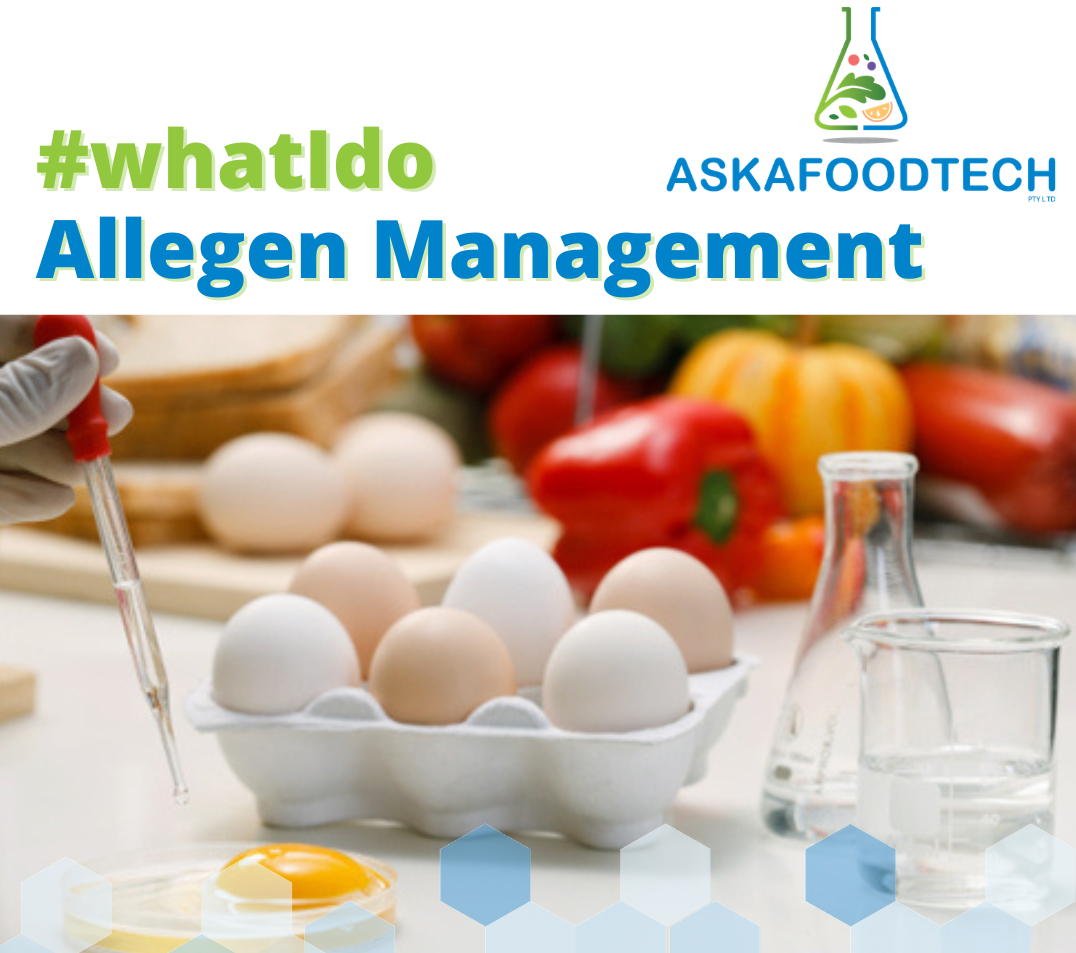
Food Allergy Awareness Month in May serves as a critical reminder: in the food industry, compliance isn’t a task, it’s a life-saving mission. As award-winning food technology consultants, we at ASKAFOODTECH understand the intense pressure on producers to manage risk while innovating. Your commitment to allergen management protects your consumers, builds brand trust, and is fundamental to your legal and ethical responsibilities. With updated regulations under the Food Standards Code (FSANZ) demanding greater transparency, now is the time to audit your processes. Led by Stewart Eddie, a food technologist with over 20 years of hands-on experience, we simplify this complex landscape. This month, let’s focus on the four critical steps required to build a truly robust, compliant allergen management system. Australia’s Food Business Landscape: Real Progress, Real Impact Recent industry findings show major shifts in how Australian food companies manage, measure, and prevent food waste. One of the most impactful initiatives has been the Australian Food Pact, a voluntary collaboration bringing together manufacturers, retailers, producers, and food rescue organisations. Between 2022 and 2024, Pact signatories achieved a 13% reduction in food waste, representing 16,000 tonnes saved and $57 million in economic benefit. This was achieved through a structured Target, Measure, Act framework, helping businesses map their waste streams, identify hotspots, and trial practical interventions. The improvements go beyond cost savings; they’re reshaping the sustainability landscape. Companies involved have collectively prevented 505,000 tonnes of CO₂-equivalent emissions, equal to removing 210,000 cars from the road for a year. On top of that, 254 million meals have been donated to food rescue organisations, diverting edible food to communities that need it most. These results signal a growing trend: waste is no longer an unavoidable cost; it is a controllable, measurable, and optimisable part of operations. The Rise of Upcycling and Advanced Food Waste Solutions For decades, food waste has been treated as a by-product, but 2026 marks a turning point. The CSIRO, in collaboration with the University of Leeds, is leading groundbreaking research into turning agrifood waste into high-value protein ingredients. Their project uses AI to determine optimal fermentation conditions for transforming unpicked vegetables, grain by-products, and cheesemaking residues into sustainable protein powders. This innovation could help Australia convert millions of tonnes of nutrient-rich waste into market-ready food ingredients. These advancements reflect a broader industry shift: waste streams are becoming revenue streams. Upcycling is no longer niche; it’s a viable, scalable pathway that aligns with consumer demand, regulatory expectations, and climate targets. Why Sustainability Matters More Than Ever in 2026 Australian consumers increasingly choose brands that demonstrate environmental responsibility. According to industry insights, nearly half of Australian shoppers factor sustainability into purchasing decisions, making waste reduction not only good for the environment, but also a competitive advantage. At the same time, new expectations are emerging across the supply chain: • Retailers want transparent sustainability reporting • Export markets are demanding traceability and emissions data • Food rescue organisations need better redistribution partnerships • Governments are tightening landfill and emissions regulations The Australian Food Pact’s achievements, including more than 982,000 tonnes of food repurposed through rescue and upcycling programs, highlighting the growing ecosystem supporting businesses on this journey. The Reality Check: Australia Still Wastes 7.6 Million Tonnes Annually Despite major progress, Australia still discards 7.6 million tonnes of food every year, enough to fill the MCG ten times over. This presents both a challenge and an opportunity. While high-performing businesses are reducing waste through measurement, technology, and collaboration, many still lack: • Accurate waste data• Clear action plans • Staff training on waste management • Optimised packaging • Shelf-life validation • Upcycling pathways • Energy-efficient processes April offers a timely reminder: sustainability isn’t a marketing exercise; it is operational excellence. What Australian Food Producers Should Focus on This April To stay ahead of regulatory and market expectations, food businesses should prioritise: 1. Waste Mapping & Measurement Use tools aligned with the Target, Measure, Act framework to quantify losses and identify root causes, a strategy used successfully by leading Pact members. 2. Upcycling Feasibility Explore transforming by-products into new product lines — backed by CSIRO-led research. 3. Packaging and Shelf-Life Optimisation Better packaging choices and validated shelf-life studies minimise waste and boost product quality. 4. Cross-sector Partnerships Collaborate with food rescue organisations to redirect edible surplus. Many businesses have saved millions through donation programs. 5. Energy & Water Efficiency With climate-related supply chain pressures increasing, efficiency measures support both sustainability and resilience. A More Sustainable Future for Australia’s Food System This April, the message is clear: Australian food businesses are proving that reducing waste isn’t a burden - it’s an opportunity. From industry-wide collaboration through the Australian Food Pact, to CSIRO’s AI-driven breakthroughs, to the rise of upcycling and sustainable packaging, the sector is moving toward a future where waste is minimised, value is maximised, and sustainability is embedded in every stage of production. As the nation pushes toward its target of halving food waste by 2030, April is the perfect time for businesses to evaluate their sustainability strategies — and invest in the practices that will define the industry’s next decade. Are you with us? Contact ASKAFOODTECH today