
The Label Line: Tracing the Evolution of Food Labelling to 2026 Compliance
Food labelling has come a long way since the days of simple ingredient lists. What was once a basic legal requirement has evolved into a dynamic, complex, and vital tool for consumer safety, public health, and brand trust. For Australian food producers, understanding this evolution isn’t just interesting—it’s critical for compliance in 2026.
At ASKAFOODTECH, we’ve spent decades guiding businesses through this shifting landscape. This Food Labelling Month, we’re looking at how the industry has changed and what you need to focus on right now, from Simple Lists to Scientific Mandates.
The history of food labelling is a story of increasing transparency, driven by public demand and medical necessity. Early regulations focused primarily on preventing fraud - ensuring a product was what it claimed to be.
The first major evolution began in the late 20th and early 21st century with the global rise in food allergies. Suddenly, an ingredient list wasn't just about what was in the food; it was about what must not be in the food for certain consumers. This shift mandated clearer, specific allergen declarations, moving from an implied duty to an explicit, bolded safety requirement.
The introduction of the mandatory Nutrition Information Panel (NIP) marked the next giant leap. What was once optional became a requirement for public health. This empowered consumers to track kilojoules, fat, sugar, and sodium, transforming the label into a crucial dietary decision-making tool. The Pillars of Modern Compliance (2026)
Today, compliance is no longer a static, once-off task. It’s a dynamic process influenced by technology, consumer scrutiny, and continually updated Food Standards Codes.
In 2026, compliance rests on three key pillars:
1. Enhanced Allergen Management (The Non-Negotiable)
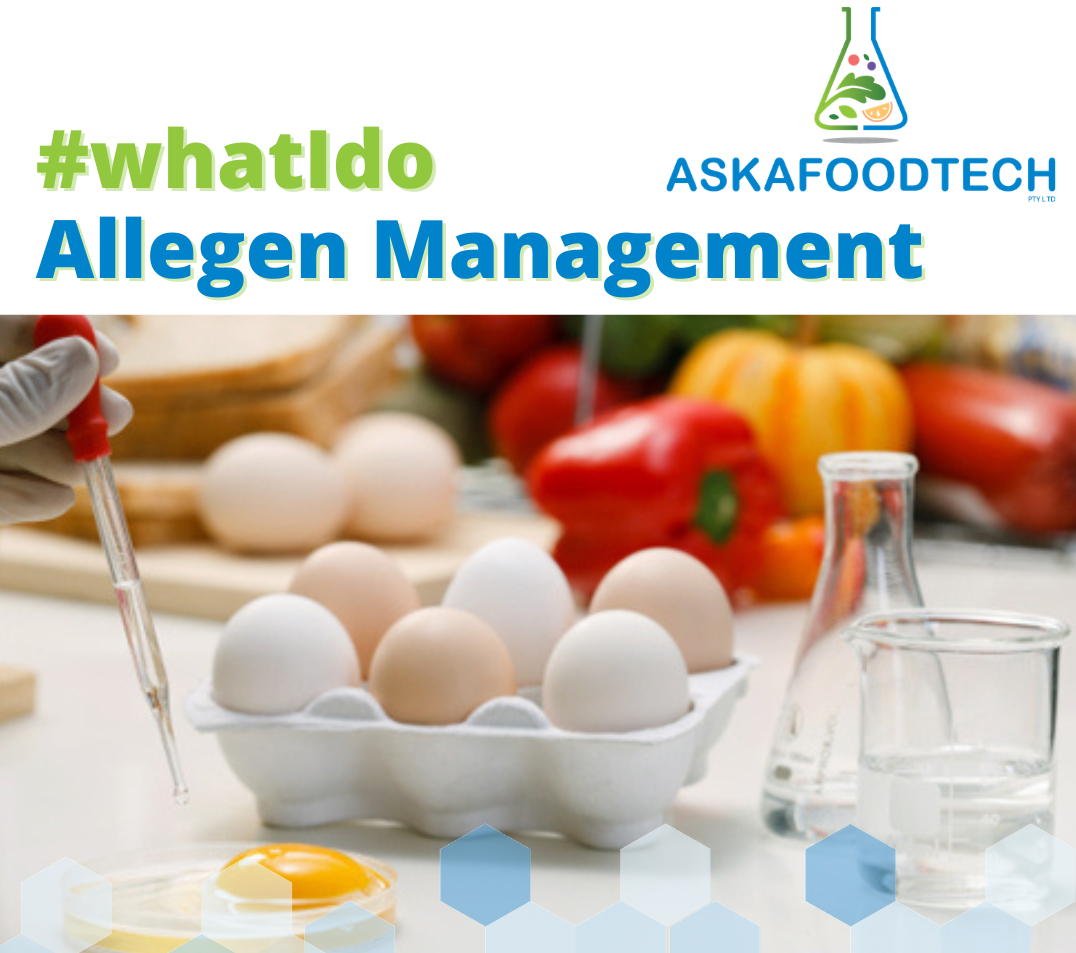
While allergen declarations have been mandatory for years, the focus in 2026 is on the robustness of your internal systems. Regulators are less forgiving of cross-contamination risks and undeclared allergens due to poor process control.
Current compliance demands:
- Accurate Summary Statements: Ensuring the "CONTAINS" statement is immediately next to the ingredient list.
- Preventative Control: Detailed documentation and segregation protocols to manage allergen risk in manufacturing.
2. The Quest for Truth (Substantiation and Health Claims)
The modern consumer is sceptical, and regulators are strict. Every claim on your package must be substantiated.
- Health Claims: Any statement relating to a nutrient or health benefit (e.g., "Source of Iron," "Supports Gut Health") automatically triggers the requirement for a full NIP and must meet the criteria outlined in the Code. If you make the claim, you must be able to prove it with data.
- Country of Origin: Clarity is key, with specific standards in place to prevent misleading consumers about where the product was grown, produced, or packed.
3. Digitisation and Future - Proofing
While the physical label remains the primary legal document, the compliance landscape is increasingly digital.
We are seeing trends towards:
- QR Codes for Transparency: Using digital links to provide extended information beyond the physical constraints of the label (e.g., sustainability data, farm-to-fork tracking).
- Standardised Data Systems: The push for clean, standardised product data that flows seamlessly from formulation, through manufacturing, and onto the label, minimising manual errors.
Partnering for Peace of Mind
For many food businesses, the complexity of managing these evolving requirements, from descending ingredient weights to precise rounding in the NIP, can be overwhelming. This is where ASKAFOODTECH steps in.
We translate the technical mandates of 2026 compliance into clear, actionable steps for your business. Don't let your label become a compliance liability. This Food Labelling Month, let’s ensure your product is not only market-ready but future-proofed against the ever-evolving demands of the industry.
Ready to audit your labels for 2026 compliance? Contact ASKAFOODTECH today to turn complexity into confidence.

About the Author:
Stewart Eddie (Bapp Sc Food Science & Technology) is Director and Principal Food Tech at ASKAFOODTECH PTY LTD; a food technology consulting company that inspires, educates, and serves food producers with an ambition to grow and manage risk. Living with a severe food allergy and being a food technologist, Stewart is uniquely placed to help your food manufacturing business with your allergen management planning. If you would like more information on the services that ASKAFOODTECH PTY LTD can provide, please
contact us.